
How to Cook Parboiled Rice (Never Mushy, Always Fluffy)
Learn how to cook parboiled rice so it turns out fluffy, tender, and never mushy. This easy stovetop method gives you beautifully separate grains every time and works especially well with long-grain basmati parboiled rice. With the right cooking time and simple technique, it’s one of the easiest types of rice to get right.

Long-grain basmati rice is one of my favorite types of rice to cook with because the grains stay beautifully separate and fluffy. It’s also perfect for serving alongside so many meals and looks wonderful on the table.
Parboiled rice is especially reliable because the grains hold their shape well and are less likely to become sticky or mushy. It also retains more nutrients than regular white rice, making it a practical choice for everyday cooking.
Today, I’m sharing my simple method for cooking perfect parboiled rice every time. Once you try this easy technique, you’ll love how tender, light, and flavorful the rice turns out.
And if the rice needs a little more time, don’t worry. Just add a splash of hot water and continue cooking until the grains are perfectly tender. It’s forgiving, easy to make, and delicious served with meals like Chicken Adobo.
Watch me Make This Recipe

Why You’ll Love This Method
- Foolproof and beginner-friendly
- Fluffy grains that stay separate
- Great for meal prep
- Pairs with chicken, curry, seafood, and vegetables
- Leftovers reheat beautifully
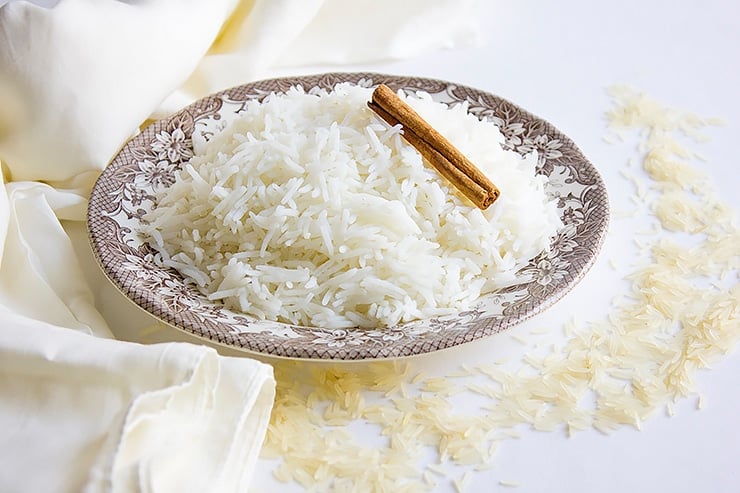
Ingredients You’ll Need
You can find the full measurements and step-by-step instructions in the recipe card below.
Uncooked basmati parboiled rice: There are several varieties of parboiled rice, so be sure to choose long-grain basmati parboiled rice for the best texture. It cooks up fluffy with beautifully separate grains.
Olive oil: Adds a light, delicate flavor and helps keep the rice from sticking together while it cooks.
Water and salt: Parboiled rice needs more water than regular white rice, which helps the grains cook through evenly and become perfectly tender. Salt enhances the flavor and brings everything together beautifully.
How to Cook Parboiled Rice (Step by Step)
Cooking parboiled rice is very similar to making regular basmati rice, but it is even more forgiving. The grains stay separate, cook evenly, and are less likely to become sticky or mushy, making it an excellent choice for reliable results every time.
Step 1
Bring the water to a boil, then add the olive oil and salt.

Step 2
Add the washed and soaked rice to the boiling water. Allow it to return to a gentle boil, then reduce the heat to medium-low. Cook for about 14 minutes, or until the grains are tender.

Step 3
Drain the rice and return it to the warm pan. Cover with a lid and let it rest for 15 minutes. This final step allows the steam to finish the cooking and keeps the grains light and fluffy.
Fluff gently with a fork, then serve warm.

Parboiled Rice Water Ratio
For this recipe, I cook parboiled rice in plenty of boiling water and then drain it, rather than using the absorption method. This makes the water ratio much more forgiving because the rice only absorbs what it needs while cooking.
Make sure there is enough water for the rice to move freely in the pot. Once the grains are tender, drain the excess water and return the rice to the warm pan to rest, covered, for 15 minutes.
How Long to Cook Parboiled Rice
For this stovetop method, parboiled basmati rice takes about 14 minutes to cook after it is added to the boiling water. The exact time can vary slightly depending on the brand and the size of the grains.
Check the rice near the end of the cooking time. The grains should be tender but still hold their shape. After draining, cover the rice and let it rest for 15 minutes so the remaining steam can finish the cooking and keep the grains fluffy.
How to Cook Parboiled Rice on the Stove
To cook parboiled rice on the stove, bring the water to a full boil before adding the soaked and drained rice. Let the water return to a gentle boil, then reduce the heat to medium-low and cook until the grains are tender.
Drain the rice, return it to the warm pot, and cover for 15 minutes. The trapped steam finishes the cooking and helps keep the grains separate and fluffy.
Tips for Perfect Rice Every Time
- Choose long-grain basmati parboiled rice: For the best results, use long-grain basmati parboiled rice. It gives you light, fluffy rice with beautifully separate grains.
- Use the fat you prefer: Olive oil adds lovely flavor, but you can easily use butter, ghee, or another neutral oil depending on the meal you’re serving.
- Wait for a rolling boil: Do not add the rice until the water reaches a full rolling boil. This helps the grains cook properly and prevents the rice from becoming starchy or sticky.
- Let the rice rest before serving: After draining, covering the rice for a few minutes allows the steam to finish the cooking and improves the texture.
- Fluff gently: Use a fork to fluff the rice instead of stirring with a spoon, so the grains stay light and separate.

Delicious Variations
Cook it in stock: For deeper flavor, replace some or all of the water with chicken or beef stock. You can also add a bouillon cube to the boiling water for a richer, savory taste.
Add tomato flavor: Stir in 2 tablespoons of tomato paste to the boiling water for beautiful color and a subtle rich flavor. Seasoned tomato paste works wonderfully as well.
Mix in caramelized onions: Sweet, golden caramelized onions pair beautifully with parboiled rice and add incredible flavor. If using freshly caramelized onions, fold them into the rice after draining. If using dried onions, add them about 2 minutes before draining so they have time to soften.
Use warm spices: Add a pinch of cumin, cinnamon, turmeric, or cardamom to the water for a fragrant rice side dish that feels extra special.
Fresh herbs: Finish the rice with chopped parsley, cilantro, or dill for a fresh burst of color and flavor.
Frequently Asked Questions
Parboiled rice, sometimes called converted rice, is rice that has been partially boiled in its husk before being milled and packaged. This process helps the grains become firmer, less sticky, and more nutritious than regular white rice.
It has been used for generations in many parts of the world and is valued for its reliable texture and easy cooking results.
Parboiling rice and cooking parboiled rice are two different things. Parboiled rice is commercially processed by partially boiling the rice in its husk before it is dried and packaged.
This recipe does not show how to parboil raw rice at home. It shows how to cook already-parboiled rice so the grains turn out tender, fluffy, and separate.
Parboiled rice and white rice may look similar, but they are processed differently.
Parboiled rice is steamed before the husk is removed, which helps preserve nutrients and gives the grains a slightly golden color. It also cooks up firmer with separate grains.
Regular white rice is milled without this extra step, so it is usually softer in texture and can become stickier depending on the variety.
Yes, parboiled rice has a slightly nuttier, fuller flavor compared to regular white rice, while still remaining mild enough to pair with many dishes.
For this recipe, I recommend soaking the parboiled basmati rice before cooking. Soaking helps the grains cook more evenly and can shorten the cooking time.
If the grains are still firm, simply add a small splash of hot water, cover, and cook a little longer until tender. One of the best things about parboiled rice is how forgiving it is.

Storing and Reheating
Refrigerator
Allow the rice to cool completely, then transfer it to an airtight container. Store in the refrigerator for up to 4 days.
Freezing
For the best texture, spread the cooled rice on a baking sheet and freeze for about 1 hour until firm. Break apart any clumps, transfer the rice to a freezer-safe bag or container, and freeze for up to 3 months.
To Thaw Frozen Rice
Place the rice in the refrigerator overnight to thaw.
Reheating
Reheat in the microwave or on the stovetop with a splash of water to help bring back moisture. Cover while reheating so the rice stays soft and fluffy.
Must Try Recipes
- Vermicelli With Rice.
- Musakhan Palestinian Chicken and Rice.
- Mujadara rice and lentils.
- Burgul Mujadara.
- Koshari Recipe.
- Bamya (Okra Stew).
Looking for more ideas? Check out my best rice recipes collection for easy and flavorful dishes.

Perfect Parboiled Rice
Ingredients
- 1 cup uncooked parboiled rice long grain rice or basmati parboiled rice.
- 1 tablespoon salt, leveled
- 1 teaspoon olive oil
- 7 ½ cup water
Instructions
- Wash and rinse the rice until the water is almost clear.
- Soak rice in lukewarm water for at least 20 minutes.
- In a pan, boil the water, add salt and olive oil.
- When the water comes to a rolling boil, add the rice, let it come to a boil again.
- Cook the rice on medium-high heat for 14 minutes.
- Drain the rice. Return the rice to the pan and cover. Keep the rice covered for at least 15 minutes before serving.
Notes
- Washing the rice is crucial unless its package says it’s been washed before packing or mentions (washing not required) on the box.
- Make sure the water reached a rolling boil or else the rice will turn sticky and starchy.
- Instead of olive oil, you can add regular oil or unsalted butter.


I never tried this way, this is huge amount of water per cup, will try it next time!
Hi Farida,
This is a boil and drain method, it requires more water so the rice doesn’t get starchy and stick together, also one cup of par-boiled rice when cooked become much bigger and longer than normal rice. believe me, this much water is the right amount. Please let me know your feedback whenever you try it 🙂
Your rice comes out just beautiful! I can see why you like to use this method, especially for photoshoots!
Thanks Chris 🙂
The rice came out just beautiful! It’s perfect white and perfectly cooked!
Thanks Nagi, you are so sweet 🙂
Wow it looking perfect. I will try it when next i cook my rice
The rice came out awesome, cooked to perfection. Thanks for the recipe, I’ll definitely be cooking parboiled this way from now on. 🙂
Just one -rather theoretical- question. Why soak the rice? It didn’t seem to have any noticeable effect on volume, so I guess the water didn’t actually penetrate the rice.
The soaking makes the cooking time shorter.
Is parboiled rice good for diabetic?
Hi Marita, I read that Parboiled rice has less impact on blood sugar than white rice, but it is always best to consult with your Doctor before changing your diet. I hope this helped.
I thought you are not supposed to rinse the parboiled rice.
It depends on the brand you are using!
When you return the rice to the pan after draining the water, you say to return it to the pan and cover it for 15 minutes. Shouod the heat still be on medium-high? (I doubt it…?) Or, should it be on low? Or do I turn off the heat entirely and just let it sit covered while the stove is off? Thanks very much for clarifying.
Hi, the heat should be off! Hope this helped 🙂
I’ll have to look for parboiled Basmati next time I’m at the store. I find it so annoying when rice doesn’t turn out right.
My husband is a big lover of rice. I’ll have to try this.
Let me know, how it turned out for you 😉
thanks for the details.. i have not tried parboiled basmati yet..
and did not realize that this looks better photographed :)that is a cool tip to know
You are welcome Vidya 🙂
A good recipe to master. It goes with everything!
Do you have any comments on how much water, salt, olive oil to add for 2, 3 cups of rice or should I just multiply up? 1 cup of rice is not enough for my family and I still think 15 cups of water for 2 cups of rice is too much. Thanks
Hi Annie, the idea behind adding that much water is to allow each grain of rice to cook freely and not produce starch and get sticky. You can add less water as long as the rice doesn’t get starchy while cooking. You can always keep extra hot water aside and add it to the rice if the water reduced or the rice looked starchy. I hope this helped 🙂
Great recipe, thank you!
How much water does one need for the rice cooker method?
I have used 2.5 cups of water per cup of rice in my rice cooker. I wasn’t very happy as the cooke rice remained a but rubbery or grains too separated
I have never made parboiled rice in a rice cooker before, I’m not sure I can offer more guidance on this.
wow, I tried this and came out with rice that didn’t go to mush and the grains did seem longer. I have always had a terrible time with rice and this method turned out really well. This is now the method I will use. Thank you
Thank you so much for your kind comment 🙂
I was a bit merit l nervous I would fail again but with your simple steps my rice came out perfect! Thank you
You are most welcome 🙂
I make this weekly! My husband calls it magical basmati rice 🙂 Lovely forgiving cooking formula. I am going to try a similar, water modified, method using brown basmati! Thank you so much.
I’m glad that you enjoyed my recipe 🙂
Are there options for longer term storage e.g. freezing?
Thanks for an informative site.
Hi Teresa, you can freeze the parboiled rice but some said that it gets dry when microwaved, so it’s better to reheat it on the stovetop. Hope this helped 😊
This recipe needs to be updated and corrected. You do not need to use 7 1/2 cups of water for 1 Cup of Parboiled Rice.
The rice would literally be swimming in the water. You only need 1 1/2 cup of water for the rice to be just the right amount of tenderness. 2 cups to 2 1/2 cups of water. Will make the rice too mushy.
Hi Jackie,
The goal is to make the rice swim in the water, becuase this won’t make it sticky. In this method of boiling and then draining the rice, you need the rice to be boiling in a good amount of water. Lots of water and space, will make the rice get fluffy, increase in size, and remove as much starch to make it fluffy and light. But if you are not draining the rice and that’s the method you prefer and it works for you, continue doing so.